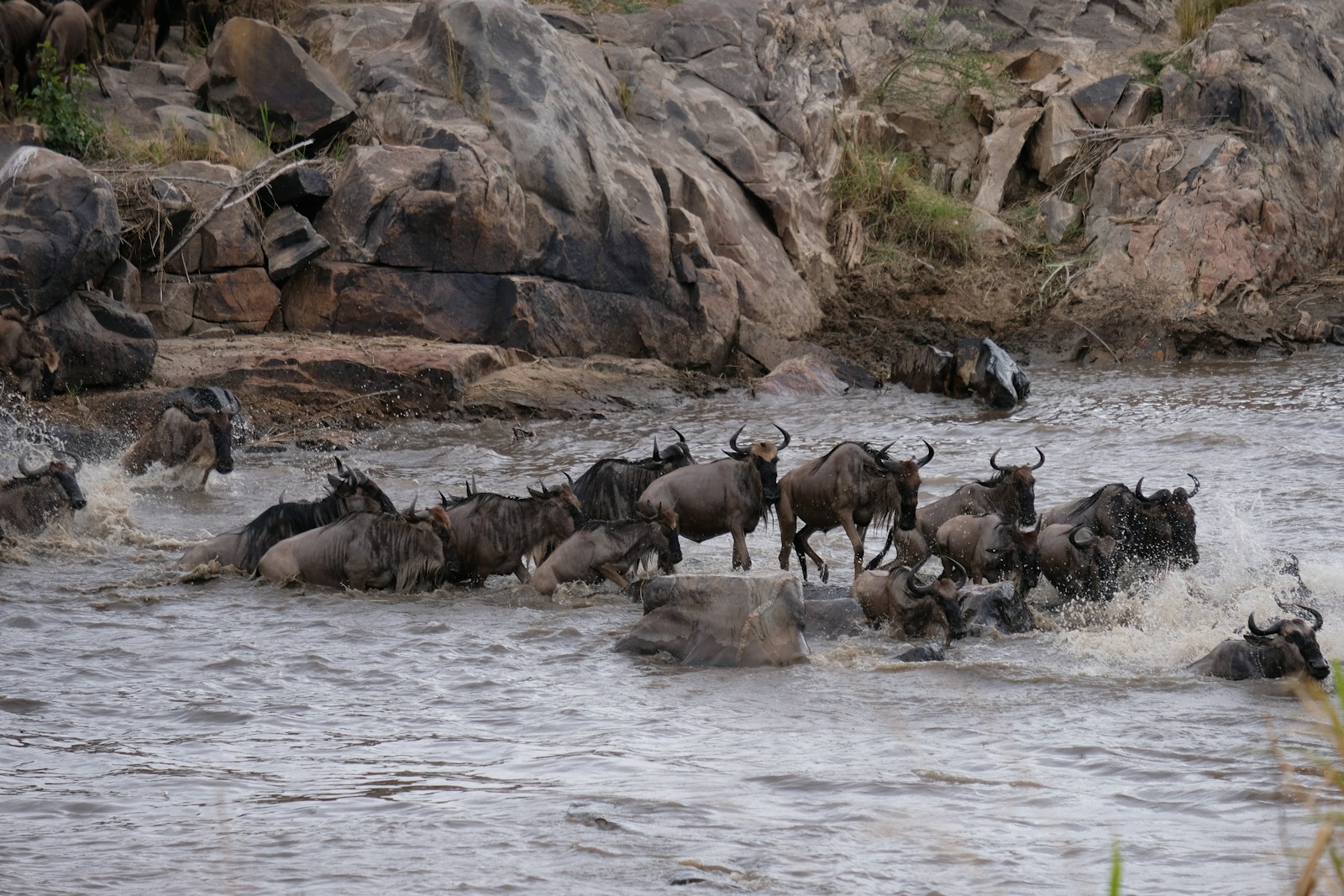
The crown jewel of Kenyan safaris, and stage of the Great Wildebeest Migration. The Mara delivers Big Five sightings, sweeping golden plains and Kenya's most cinematic skies.
Why everyone wants to see the Mara
The Maasai Mara, affectionately just "the Mara", is a 1,510 km² reserve in south-west Kenya, contiguous with Tanzania's Serengeti. Together they form one of the world's greatest wildlife ecosystems. From July to October, more than 1.5 million wildebeest, 200,000 zebra and 350,000 gazelle thunder across the Mara River in the Great Migration, arguably the most spectacular wildlife event on Earth.
But the Mara delivers year-round. Its resident populations of lion, leopard and cheetah are among the densest in Africa. Elephant herds drift through acacia woodland. Hippos crowd the Mara River. And the sky, vast, low and full of weather, is half the experience.
Where to stay
Around the reserve sit several conservancies, Olare Motorogi, Mara North, Naboisho, Ol Kinyei, community-owned reserves with low vehicle density, walking safaris and night drives. They cost more, but reward you with intimate game viewing far from the safari-vehicle queues that gather around big cats in the main reserve.
For tighter budgets, the public reserve's gates (Sekenani, Talek, Oloololo) are flanked by tented camps and lodges at every price point.
What to expect on a Mara safari
- 3 game drives a day, dawn, late morning, late afternoon
- Open-roof 4×4 so you can stand and photograph
- Maasai guides who grew up reading these plains
- Optional hot-air balloon safari at first light ($450–$550 pp)
- Visit a Maasai cultural village for a $30–$50 contribution
Park fees (2026)
- January–June: USD 100 / adult / day
- July–December: USD 200 / adult / day (peak migration season)
Children under 9 are free.